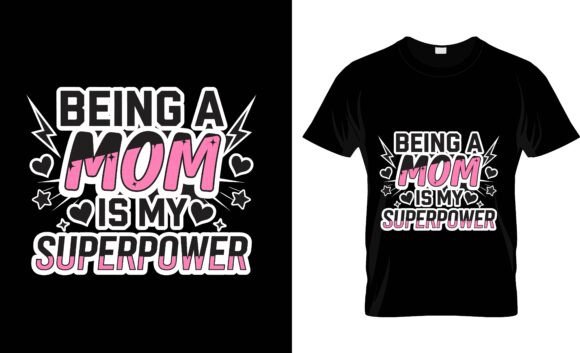
Being a Mom is My Superpower
A Designer’s First Look: Warm, Clear, and Ready for Real Stitching
When Being a Mom is My Superpower landed in my inbox, I opened it expecting something sweet—but what stood out immediately was its confident simplicity. It’s not fussy or overly cutesy. The layout balances bold lettering with subtle graphic elements (think soft star accents or a gentle shield motif—details that read clearly at 3–4 inches tall). As a designer who’s stitched hundreds of phrases onto baby onesies, boutique totes, and mom-themed gift bundles, I appreciated how the spacing between letters avoids crowding, and how the overall shape fits neatly inside standard hoops without awkward trimming or scaling.
This Design Lives on Tote Bags, Sweatshirts, and Nursery Pillows
I tested Being a Mom is My Superpower as a sweatshirt embroidery project for a local parenting collective’s holiday pop-up. We used it on midweight cotton-blend crewnecks and heavyweight canvas tote bags—both with tear-away stabilizer and 40-weight polyester thread. On the sweatshirts, the design held crisp edges with no puckering. On the totes, it stayed legible even after repeated washing and folding. It also translated beautifully to an embroidered patch format: clean satin-stitched outlines, balanced fill stitch density, and no tiny fragile details that’d vanish under wear.
It works especially well for baby embroidery when scaled down slightly (2.5–3 inches wide) on onesies or burp cloths—just avoid ultra-thin rib knits unless you add cutaway stabilizer underneath. For holiday embroidery, like personalized tea towels or pillow covers for Mother’s Day gifting, it reads warmly without feeling dated or trend-dependent. And yes—it holds up in printable mockups too, thanks to the included high-res PNG and PDF files. That matters if you’re an Etsy seller building listings fast.
Where to Pause—and Test First
- Curved surfaces: Caps and beanies require careful digitizing for stretch and seam allowances—Being a Mom is My Superpower wasn’t built as a cap-ready embroidery file, so test it on a scrap cap panel before committing to a full run.
- Dark or textured fabrics: The design relies on clear contrast. On charcoal fleece or linen-look tea towels, I switched to bright white or metallic silver thread—and confirmed readability by holding a black-and-white mockup side-by-side with the stitched version.
- Tiny lettering zones: While the main phrase is highly legible, any optional decorative flourishes (like micro-stars or fine-line icons) need checking at actual stitch size. Zoom in on the SVG and PNG files before sending to your machine.
- Frequent-wash items: For kitchen towels or baby blankets, verify stitch density isn’t so tight it’ll stiffen fabric or crack over time. A quick stitch-count estimate helps—if your software shows >12,000 stitches, consider simplifying or using lighter fill patterns.
What This Design Says—Before a Single Thread Is Cut
Being a Mom is My Superpower lands with sincerity, not sentimentality. That makes it unusually versatile for commercial embroidery. When customers see it on a handmade apron at a craft fair, they don’t just register “cute”—they feel seen. That emotional resonance lifts perceived value, supports higher pricing, and encourages repeat buyers. For small shop owners, it strengthens brand consistency across product lines: same design on a mug (via print), a tote (embroidered), and a digital greeting card (using the PDF or SVG)—all unified by tone and clarity.
As a graphics-based T-Shirt Designs asset, it’s adaptable beyond stitching. Use the EPS for vector resizing, the SVG for web previews, the 300-DPI PNG for crisp social media banners or Etsy thumbnails. But remember: adaptability doesn’t mean automatic readiness. Always test the embroidery file—not just the image—on your machine first. Running stitch outlines may need tightening; satin stitch widths may need adjusting for your thread brand or fabric drape.
Practical Notes from the Hoop
- Test on scrap fabric matching your final garment’s weight and stretch—especially for baby embroidery or custom apparel.
- Check thread color contrast on both light and dark backgrounds before bulk production.
- Review stitch density in your embroidery software—dense fills can overwhelm lightweight fabrics.
- Confirm hoop size compatibility. If your smallest hoop is 4×4”, verify the design fits comfortably within those boundaries—or plan for re-hooping.
- Inspect small details at 100% zoom in the SVG and PNG files—what looks sharp on screen may vanish in thread.
- Try black-and-white mockups to assess visual weight and hierarchy—no color distractions, just structure.
- Use proper stabilizer: tear-away for stable wovens, cutaway for knits or stretchy baby clothes.
- Verify licensing before selling finished products or reselling the digital embroidery file—this is essential for Etsy sellers and craft business owners.
Final Thought: It’s Not Just a Phrase—It’s a Finished Product Waiting to Be Made
Being a Mom is My Superpower doesn’t shout. It anchors. That quiet confidence is why it works across so many applications—from embroidered patches on denim jackets to delicate nursery wall art. It feels handmade without looking amateurish, heartfelt without leaning into cliché. For designers, crafters, and creative entrepreneurs, that balance is rare. Treat it like a solid design asset: test it thoughtfully, pair it with quality materials, and let the message do the rest. Because when someone wears or gifts something stitched with Being a Mom is My Superpower, they’re not just sharing a slogan—they’re affirming a role that’s equal parts strength, tenderness, and daily courage.