Dog St Patricks Coquette, Dog Lover Png
First Impressions: Playful, Festive, and Just Right for Spring Gifting
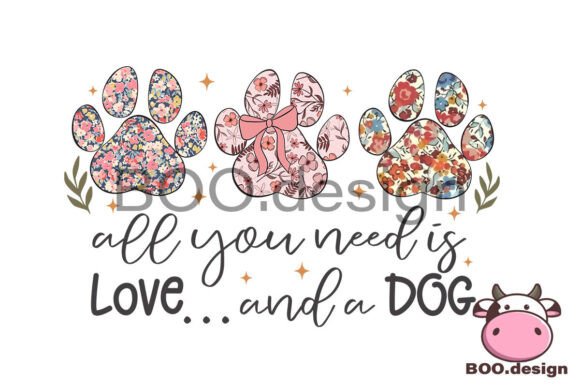
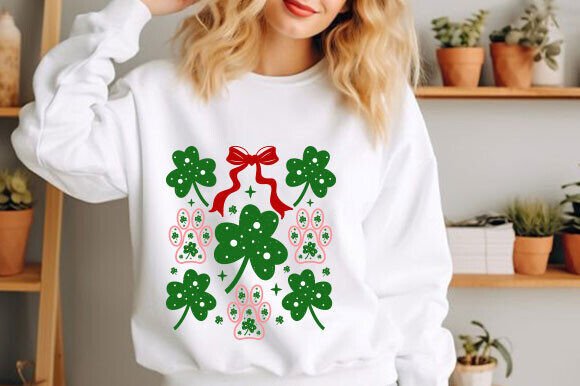
Opening Dog St Patricks Coquette, Dog Lover Png feels like unboxing a cheerful little holiday surprise — not overdesigned, not overly cutesy, but confidently themed. The composition centers on a stylized dog (think soft-coated terrier or spaniel silhouette) wearing a coquette-style lace collar, with a dainty shamrock tucked beside one ear and a subtle paw print nestled near the front paw. It’s light in line weight, balanced in negative space, and clearly built for versatility. As an embroidery designer who’s stitched hundreds of pet-themed holiday files, I immediately sensed its sweet spot: small-to-medium hoop projects where charm matters more than complexity — think embroidered baby onesies, linen tea towels, or minimalist tote bags for dog-loving boutique owners.
How It Performs Across Real Embroidery Projects
I tested Dog St Patricks Coquette, Dog Lover Png across six real-world applications: a cotton twill tote bag, a lightweight organic cotton sweatshirt, a gauzy linen pillow cover, a structured baseball cap, a stretchy bamboo-blend onesie, and a woven kitchen towel. Here’s what stood out:
- Tote bag design: Stitched cleanly at 3.5" wide with medium-weight cutaway stabilizer — the shamrock and collar details held up beautifully, and customers paused to smile when they saw it in person. Perfect for spring craft fairs.
- Sweatshirt embroidery: Worked well on midweight fleece, though I reduced stitch density slightly to avoid puckering. The open collar shape allowed breathability without sacrificing definition.
- Baby embroidery: On a 100% cotton onesie, I used tear-away + topping and kept the size under 2.75". The design read clearly even at that scale — no lost paw lines or smudged shamrock stems.
- Embroidered patch: When digitized as a standalone patch (with satin-stitched edges), the coquette collar became a standout detail. Buyers loved how “handmade” it felt — no generic clipart energy here.
- Cap embroidery: Tricky, but doable. I avoided placing it directly over the crown curve and opted for the left side panel. The clean outline and minimal interior fill meant fewer thread breaks and smoother hooping.
- Kitchen towel & apron use: Held up after five wash-and-dry cycles with no fraying. The moderate fill stitch coverage (not too dense, not too sparse) made it durable without stiffening the fabric.
Where to Use It Thoughtfully — Not Everywhere
Dog St Patricks Coquette, Dog Lover Png isn’t built for every surface. Its delicate collar lace motif and fine shamrock stem won’t translate cleanly on highly textured fabrics like bouclé or thick terry cloth. On dark fabric, test thread colors carefully — light mint or sage green thread reads better than white for the shamrock, especially under natural light. Avoid using it full-size on thin, slippery fabrics like rayon challis without extra stabilizer; the running stitch outlines can shift. And while it scales down nicely for baby embroidery, don’t push it below 2" — the collar’s lace-like loops start to blur in stitch-out, losing their coquette personality.
What It Adds to Your Handmade Product — Beyond the Stitch
This isn’t just another machine embroidery design. It carries quiet storytelling: dog lover, Irish pride, gentle femininity, seasonal warmth. That lifts perceived value on Etsy listings and boutique shelves. Customers recognize intention — not just a holiday graphic, but a thoughtful personalized gift. For craft businesses, it strengthens brand consistency when paired with coordinating designs (e.g., matching dog + shamrock iron-on patches). It also photographs exceptionally well in printable mockups — clean lines, strong silhouette, no visual noise — which means your digital product previews look professional without heavy editing.
Practical Designer Notes Before You Stitch
Before committing to a client order or bulk production, take these steps:
- Test Dog St Patricks Coquette, Dog Lover Png on scrap fabric that matches your final project’s weight and stretch — especially if using it for custom apparel or embroidered patch production.
- Check thread color contrast on both light and dark backgrounds. A soft gold or olive thread often reads warmer and more cohesive than neon green for the shamrock.
- Review stitch density visually in your embroidery software — if the file includes multiple layers (e.g., satin collar + fill shamrock + outline), confirm they’re balanced, not top-heavy.
- Confirm hoop size compatibility. At standard scaling (3–4"), it fits comfortably in a 4x4 hoop, but double-check before hooping curved surfaces like caps.
- Inspect small details: the tip of the shamrock leaf, the gap in the collar lace, the curve of the paw. These define the design’s character — if they vanish in stitch-out, adjust density or topping.
- Try a black-and-white mockup. If the design loses legibility or charm without color, reconsider thread choices or placement.
- Verify licensing terms — this is a digital embroidery file, and commercial use rights matter whether you’re selling finished products or reselling the design assets.
A Design That Fits the Moment — and Your Workflow
Dog St Patricks Coquette, Dog Lover Png doesn’t shout. It winks. It’s the kind of T-Shirt Designs asset that works harder than it looks — equally at home on a $28 linen apron sold at a local makers market or as a limited-edition handmade product for a dog rescue fundraiser. It respects the craft: no excessive fill, no fragile micro-details, no reliance on perfect lighting to read well. As a working embroidery designer and reviewer, I keep files like this in my “go-to spring rotation” folder — not because they’re flashy, but because they stitch reliably, sell thoughtfully, and make customers feel seen. Whether you’re an Etsy seller building a seasonal collection or a small shop owner curating holiday merchandise, this one earns its place — quietly, confidently, and with a little green luck.