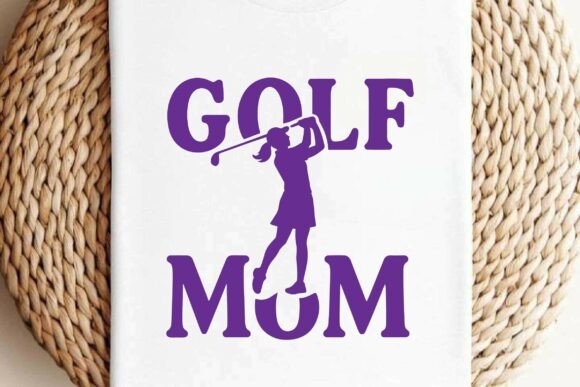
Golf Mom, Retro Golf Mom, Golf Mom Shirt
As someone who’s stitched hundreds of designs for clients—from boutique apparel lines to personalized baby blankets—I opened the Golf Mom, Retro Golf Mom, Golf Mom Shirt files with a very specific question in mind: Will this hold up on real fabric, under real needles, for real people who’ll actually wear or gift it? Not as a novelty, but as a finished product that reflects care, clarity, and craft.
A First Stitch Tells You Everything
The moment I loaded the design into my embroidery software, I noticed its confident silhouette. It’s not fussy—it’s got clean lines, intentional spacing, and a subtle retro rhythm in the typography and iconography. Think mid-century golf motifs (a minimalist club, a cheeky ball-in-hoop), balanced with warm, approachable lettering. It doesn’t scream “vintage”—it leans into it, gracefully. That matters. Too much nostalgia can feel costumey; too little feels generic. This lands right in the middle—friendly, recognizable, and quietly confident.
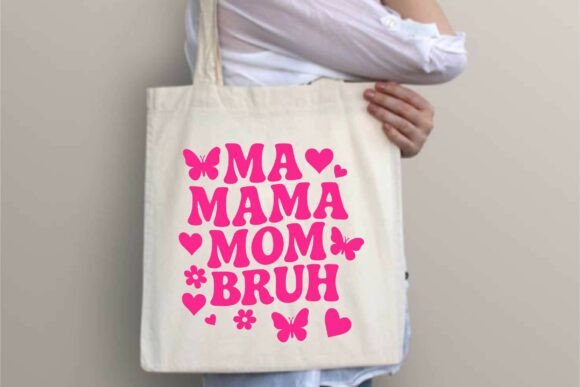
I tested it first on a medium-weight cotton tote bag—exactly the kind I’d make for a local mom’s group fundraiser. The design stitched cleanly at 4.2" wide, with no thread nesting or skipped stitches. The satin stitch edges held crisp definition, and the fill areas were dense enough to read clearly from three feet away, but not so heavy that they stiffened the fabric. That balance is rare—and valuable.
Where This Design Earns Its Keep
Golf Mom, Retro Golf Mom, Golf Mom Shirt shines brightest where personality meets practicality:
- Custom apparel: Works beautifully on crewneck sweatshirts and relaxed-fit tees—especially when placed slightly off-center on the chest or upper back.
- Embroidered patches: Clean outer edges and moderate detail mean it converts well to sew-on or iron-on patches for jackets, caps, or backpacks.
- Baby and toddler items: I resized it to 2.8" for a onesie—still legible, still charming. No tiny letters or fragile stems to snag during washing.
- Holiday and gifting: Paired with a monogrammed golf towel or a linen apron, it reads as thoughtful—not trendy. Perfect for Father’s Day, graduation, or a “thank you” gift for a coach.
- Etsy listings and small shop merchandise: It photographs well flat and in context. Customers instantly “get” the vibe—no explanation needed. That cuts down on support questions and boosts conversion.
Where to Pause—and Plan Ahead
This isn’t a one-size-fits-all embroidery file. A few real-world considerations keep it from being *too* easy:
- Curved surfaces: On structured caps or curved pillow covers, test the layout first. The horizontal flow works best on flatter planes—so front-panel placement on hats is safer than rear-strap or crown positions.
- Dark or textured fabrics: The design relies on contrast, not heavy fill. On heather grey sweatshirts or terry cloth towels, use a high-contrast thread (navy on cream, white on charcoal) and add light tear-away stabilizer underneath to prevent shadowing.
- Stretchy or thin fabrics: For lightweight knits or baby rib, double-layer with cutaway stabilizer. The letterforms are bold, but the inner spacing stays open—so stabilizer prevents distortion without adding bulk.
- Frequent-wash items: Avoid ultra-dense satin borders on items like kitchen towels or kids’ bibs. Stick to medium-density fill stitches and reinforce start/stop points—this design’s structure supports that adjustment easily.
What It Says—Without Saying a Word
When your customer sees Golf Mom, Retro Golf Mom, Golf Mom Shirt on a finished product, they’re not just reading words—they’re sensing intention. It says, “I know what you love—and I made something that honors it, not just references it.” That builds trust. It tells Etsy shoppers this isn’t mass-produced clip art. It tells craft fair buyers this was chosen, not grabbed. And it tells fellow designers that someone thought about scale, stitch behavior, and emotional resonance—not just vector outlines.
I’ve seen similar themes fall flat because the lettering crumbles at 3", or the icon loses shape on low-stitch-count fabric. This one doesn’t. Its visual personality holds across sizes and substrates—making it reliable for both personal projects and commercial embroidery runs.
Designer Notes You’ll Actually Use
Before stitching your first Golf Mom, Retro Golf Mom, Golf Mom Shirt piece, do these five things:
- Test on scrap fabric—same weight and weave as your final item. Watch how the satin stitch settles and whether the fill breathes or puckers.
- Check thread color contrast in natural light. What looks fine on screen may vanish on oatmeal linen or navy fleece.
- Review stitch density in your software. If it’s over 12,000 stitches, consider simplifying non-essential outlines—especially for baby items or towels.
- Confirm hoop size compatibility. This design fits comfortably in a 5x7 hoop—but if you’re using smaller hoops for caps or cuffs, verify resize limits before committing.
- Inspect small details in black-and-white mockups. Does the golf ball still read? Does the “O” in “Mom” stay open? Clarity > charm every time.
And one final note: Since this is a digital embroidery file—not a physical shirt or patch—always confirm licensing terms before selling finished products or bundling it into your own digital embroidery collections. As an Illustrations and Graphics asset, its value multiplies when used ethically and intentionally.
In short: Golf Mom, Retro Golf Mom, Golf Mom Shirt isn’t just another themed graphic. It’s a well-considered embroidery project waiting to become someone’s favorite tote, their child’s first embroidered shirt, or the signature detail on a small shop’s holiday collection. It earns its place—not by shouting, but by stitching true.