Grandma Like a Mom Without Rules: A Real Stitch Test
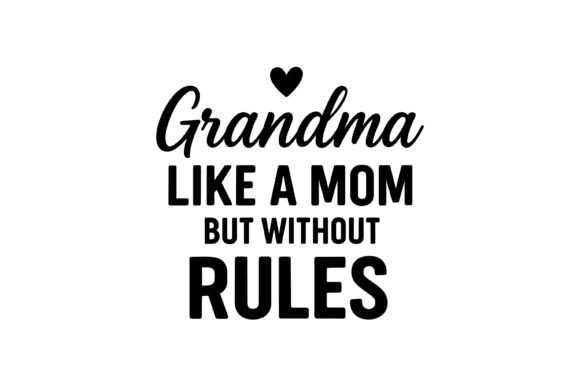
I opened the file knowing this would be a heart-seller, not just a hard-seller. The phrase "Grandma Like a Mom Without Rules" hits a specific, warm, slightly mischievous nerve. It’s not the stiff, formal grandparent tribute you see on a dusty mug. It’s a wink. An inside joke. A hug in text form. As an embroidery designer, I immediately start filtering that emotional punch through a very practical lens: how will this actually stitch out, on what fabric, for which customer, and will the thread behave?
The Mood in the Thread: What the Design Actually Says
First impression: the design is a personality-first piece. The design contents—grandma like a mom no rules, grandmother love, proud grandma, family bond, fun grandma, loving grandma, grandma life, best grandma—read like a curated list of every keyword a real customer would type into a search bar. But more importantly, they set a visual expectation. The theme is layered, celebratory, and modern. As a typographic layout, the weight of the word "grandma" needs to be dominant, while the phrase "like a mom without rules" should feel like a whispered afterthought, a playful secret. If the lettering is balanced well, the mood is casual confidence. It’s a design that belongs on a soft, well-worn crewneck, not a stiff, formal button-down.
The SVG format is a quiet but significant detail. It means I’m not getting a pre-digitized, stitch-ready file. I’m getting a scalable vector graphic, which is a blank canvas. For a craft business owner, this is powerful. I can control the stitch density, the satin stitch width, the running stitch paths, and the pull compensation myself. I’m not locked into someone else’s idea of how a "fun grandma" design should thread out. I can tailor it to a 100% polyester cap or a delicate linen baby blanket, and that flexibility is what separates a handmade product that looks professional from one that looks pressed in a hurry.
Where This Design Loves to Live
I mentally place this design on a few key products. The first is a slouchy canvas tote bag. A tote bag design with this phrase is a gift that sells itself at a craft fair. The lettering needs to be large and crisp, so I’d insist on a hoop size of at least 5x7 inches. I’ve learned the hard way that shrinking a long, sentimental phrase into a 4x4 hoop turns it into a fuzzy, illegible regret. The second natural home is a sweatshirt embroidery. A cozy, cream-colored pullover with "Grandma Like a Mom Without Rules" stitched in a muted terracotta or dusty mauve thread feels like a hug. I’d avoid high-contrast white thread on a dark sweatshirt unless I lower the stitch density significantly to prevent that stiff, plasticky "iron-on" look. A slightly open fill stitch, with the fabric texture peeking through, reads as vintage and intentional.
For baby embroidery, the sentiment is perfect for a onesie: "Grandma’s little rule-breaker." But the fabric is thin and stretchy. A dense satin stitch would create a scratchy, inflexible patch that irritates a baby’s skin. Here, I’d use the SVG to convert the primary lettering into a lightweight fill stitch, or even a triple running stitch for a softer, airier feel. A soft cutaway stabilizer is non-negotiable. I’d also test a baby embroidery sample on a scrap first, washing it twice to see if the thread softens or the design puckers. A onesie that survives a grandmother’s enthusiasm and a washing machine is the only acceptable finished product.
Kitchen textiles are an underrated winner. A linen tea towel with "Grandma Life" and a small, coordinating floral accent from the design’s broader theme makes a holiday gift that feels curated. I’d use a water-soluble topper on a textured flour sack towel to prevent the stitches from sinking into the weave. An embroidered patch is another clever application. I can stitch the design on a sturdy twill, add a merrowed edge, and sell it as a standalone product. The "fun grandma" and "proud grandma" tags in the design contents make it perfect for a patch that can be ironed onto a denim jacket or a canvas bag by the customer. This also sidesteps the tricky fabric issues; I control the entire patch substrate.
Navigating the Tricky Surfaces and Small Spaces
Not every blank is a friend to this design. I’d be cautious on curved surfaces like unstructured caps. The phrase is long, and a horizontal layout on a cap’s front panel can distort at the edges, creating a "smile" effect. I’d either rework the placement into a stacked, two-line format or reserve it for flat-front caps. On stretchy fabric like a performance blend t-shirt, the design’s typographic integrity is at risk. The letters can warp and wave. I’d use a firm fusible stabilizer and test the design on a scrap of the exact fabric blend. A dark fabric requires special attention; a light thread can look cheap if the stitch density is too high. I’d opt for a slightly distressed, sketchy font style if the SVG allows that edit, which reads beautifully on deep heather gray or black.
Small lettering is the silent killer of many embroidery projects. The "without rules" segment, if scaled too small, will close up with fill stitches. I’d test the smallest letter counters, like the inside of an "a" or "o," on a scrap of the same fabric. If the hole disappears, I’d increase the size or switch to a thinner thread. I’d also test the design in a black-and-white mockup, stripping away the color to see if the phrase still reads clearly. This is a critical step for printable mockup creation, too. A digital product seller needs a clean, high-contrast design asset that looks crisp on a screen, even before a single stitch is sewn.
Commercial Sense and Customer Connection
From a seller’s perspective, this design is built for personalized gift appeal. The phrase is a ready-made search term. A customer looking for a "proud grandma gift" or "grandma like a mom" will find this design instantly. The emotional resonance is immediate. When a buyer sees a completed custom apparel item, like a sweatshirt with this phrase, they’re not just buying a garment. They’re buying a specific, affectionate relationship. That emotional safety net means fewer returns and more word-of-mouth sales. For an Etsy seller or a small shop owner, this design can anchor a whole product line. I’d bundle it: a matching "Mom" version, a "Grandchild" counterpart, or a set of coordinated kitchen towels. The "family bond" and "loving grandma" themes in the design contents naturally support a multi-generational collection. This increases the average order value and keeps customers returning to complete the set.
The commercial embroidery angle is nuanced. The SVG format is a gateway to full creative control, but it also demands responsibility. I must verify the commercial embroidery license before I sell a single finished product. The design contents list the SVG format, but I need to check the accompanying license file. Can I sell the physical, stitched-out sweatshirts? Can I use the design to create a digital embroidery file for sale? Most SVG sellers permit commercial use of physical items, but I never assume. A copyright strike on a best-selling listing is a financial and emotional gut punch. I’d clarify the license, then confidently produce finished goods, knowing my brand consistency is protected.
Practical Stitch Notes From the Workbench
My routine is methodical, and it saves me from public embarrassment. I test the design on a scrap of the exact fabric I intend to sell. I test the thread colors in natural light, not just the harsh glow of my sewing lamp. I check the contrast between the thread and the fabric. A "grandma" design should feel soft, not glaring. I check the stitch density; a too-dense fill on a lightweight cotton will pucker and pull. I test the design with a stabilizer that suits the fabric: cutaway for knits, tearaway for woven cottons, and a fusible mesh for the most delicate or stretchy blanks. I test the design on a curved surface, like a sleeve, to see if the lettering distorts. I test the washability. A finished handmade product that shrinks into a crumpled mess after one warm cycle is a product I can’t sell with pride.
For the digital side, I use the SVG to create a realistic printable mockup. I place the design on a t-shirt, a tote, and a pillow cover mockup. I check how the typography reads at thumbnail size, simulating how a customer will scroll through an Etsy feed. The phrase "Grandma Like a Mom Without Rules" is long, so the thumbnail must still be legible. A blurred, unreadable sentence in a search result is a lost sale. I’d adjust the layout, possibly stacking the text, until the mockup remains clear and emotionally compelling at a glance.
The design itself is a starting point, not a finished stitch-out. The SVG is a promise. My job is to keep that promise. I’ll digitize it with care, respecting the emotional weight of the words. I’ll choose a thread that feels like a soft cotton in the hand, not a shiny polyester sheen that cheapens the sentiment. I’ll use a fill stitch for the main word "grandma" to give it presence, and a delicate satin stitch for the subtext, creating a visual hierarchy that guides the eye. The "without rules" part should feel like a joyful, handwritten footnote, not a shout.
In the end, "Grandma Like a Mom Without Rules" is a design that thrives on emotional clarity and technical care. It’s not a complex, multi-layered masterpiece. It’s a straightforward, commercially sharp, and deeply human statement. It will sell on a tote bag design, a sweatshirt embroidery, a baby embroidery piece, or a personalized gift for a holiday. The SVG format puts the power in the stitcher’s hands. The sentiment puts the sale in the customer’s heart. For a craft business owner, a digital product seller, or an apparel decorator, that’s a reliable, repeatable formula. I’d stitch it, sell it, and smile at the thought of a proud grandma wearing it, rules happily abandoned.