Spooky Mom Christmas Tumbler Wrap: A Designer's Review
First Impressions and the Mood It Creates
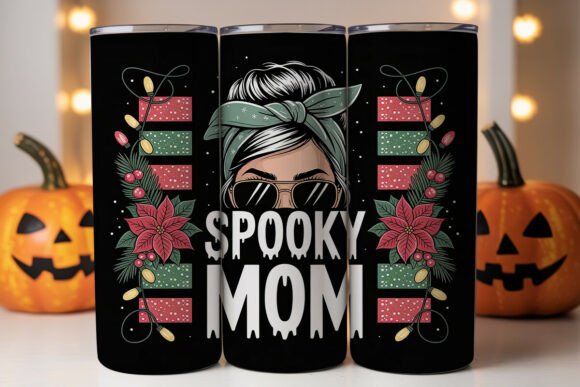
When I first opened the Spooky Mom Christmas Tumbler Wrap file, I wasn't expecting the blend of moods to work as well as it does. The design leans into two distinct aesthetics—Halloween's spooky charm and Christmas warmth—and somehow they meet in a way that feels playful rather than chaotic. As someone who reviews plenty of digital design assets for craft projects, I can tell you that hybrid holiday themes are tricky. This one lands with personality.
The layout reads clearly at a glance. The 9.3 by 8.2 inch dimensions give it enough presence without overwhelming the surface it's meant for. Since this is a Graphics file in the Tumbler Wraps category, the design is a high resolution PNG at 300 DPI, not a pre-digitized embroidery file. That matters a lot for anyone planning to stitch it. I'll get into that shortly, but the visual impression is solid. The composition feels intentionally balanced, with enough breathing room around the focal elements that you could realistically adapt it for a machine embroidery design after digitizing.
Where This Design Naturally Belongs
After studying the artwork, I kept picturing it on a cozy sweatshirt. A slightly oversized crewneck, soft fabric, maybe a faded black or charcoal base—the design would pop beautifully there. The theme also makes sense for a personalized gift around the holiday season, especially for someone who loves Halloween year-round and refuses to let Christmas be ordinary. I could see a small shop product like a canvas tote bag or a kitchen towel working nicely too, especially if you're building a collection of quirky seasonal items for a craft business.
What's interesting is how the design straddles two seasons. Most holiday graphics sit firmly in one camp. This one gives you a longer selling window. An Etsy seller could list it in October and keep it relevant through December. That's a practical advantage for anyone managing handmade product inventory or planning craft fair products.
Thinking Through the Real Embroidery Scenario
Let me walk you through a real case. I recently helped a friend prepare a batch of custom embroidered tote bags for her boutique. She wanted something seasonal but not generic. A design like Spooky Mom Christmas Tumbler Wrap would have sparked conversation. The challenge, though, is that this is a PNG file, not a stitch-ready embroidery file. That means you'd need to digitize it first—or hire someone to do it—before it ever touches your machine.
If you're comfortable with digitizing software, the high resolution PNG gives you clean lines to work with. The 300 DPI resolution is generous for tracing. But if you're expecting a plug-and-play digital embroidery file with mapped satin stitch sections, fill stitch areas, and running stitch paths, you need to know that's not what this listing provides. The product description is clear about the file format, and I appreciate that honesty. It's a graphic asset, not a finished embroidery pattern.
Adapting a Graphic for Stitching
Converting a tumbler wrap design into an applique design or embroidery project requires careful judgment. The first thing I'd assess is stitch density. A PNG doesn't tell you how many stitches go where—you decide that during digitizing. The design's detail level will influence whether you lean toward lighter fill stitch coverage or denser areas that might pucker on thin fabric. I'd strongly recommend testing on scrap fabric first, especially if you're planning to stitch on stretchy material like a baby onesie or a fitted t-shirt.
Thread colors are another consideration. The PNG gives you a visual reference, but thread behaves differently than ink. Colors that look distinct on screen can blend together under stitching light, especially on textured fabrics. I always test a few thread combinations against the actual fabric before committing to a full run. For baby embroidery or holiday embroidery gifts, the softness of the stitched design matters as much as its appearance.
Hoop Size and Placement Realities
At 9.3 by 8.2 inches, the design is sizable. That's not a problem for flat surfaces like a pillow cover or a tote bag design, but it does limit placement on smaller items. If you're working with a sweatshirt embroidery project, check your hoop size carefully. Not all home embroidery machines can handle a design that wide without rehooping. For caps and curved surfaces, the tapered version of the PNG might help with mockup placement, but actual stitching on a cap would require significant reshaping during digitizing.
I've learned the hard way that what looks perfect on a flat screen doesn't always translate to a curved garment. A custom apparel project with this design would benefit from a test stitch on a similar fabric weight and color before you stitch on the final product. Dark fabric especially demands attention to contrast—what pops on a white background might disappear on black if your thread colors aren't adjusted.
Fabric and Stabilizer Choices
For a design like Spooky Mom Christmas Tumbler Wrap, I'd reach for a medium-weight cutaway stabilizer on most garments. The design area is large enough that you want reliable support without adding stiffness. On kitchen towels or tea towels, a tear-away stabilizer can work, but only if the stitch density stays moderate. Thick satin borders on a loosely woven towel will pucker no matter how carefully you hoop.
Stretchy fabric is where things get tricky. If you're stitching on a baby item or a thin jersey, use a fusible mesh stabilizer and consider adding a topping layer so the stitches don't sink into the fabric texture. The finished product should feel professional, not like a rushed test. Customers notice the difference, especially when they're buying a personalized gift at a premium price.
Commercial Use and Licensing Awareness
One thing I always check before using any digital asset for commercial embroidery is the license. The product listing doesn't spell out specific terms beyond the file details, so you need to confirm with the seller whether you can use Spooky Mom Christmas Tumbler Wrap on items you sell. This applies whether you're making embroidered patches, finished garments, or digital embroidery file conversions for resale. Don't assume—ask. I've seen too many small business owners get caught off guard by licensing restrictions after they've already invested time in production.
If you're converting the PNG into an embroidery design and selling the stitched product, your responsibility is to verify the original designer's terms. The same goes for using the graphic in printable mockups or design assets for product previews. Respecting original work builds trust in the craft business community.
Giftability and Customer Engagement
A design like this has strong giftability. The "Spooky Mom" angle taps into a specific identity that resonates with a lot of buyers. Moms who love Halloween and Christmas equally will see themselves in this design. That emotional recognition drives buyer engagement and makes the product feel personal. An embroidered version on a boutique product or a custom apparel item would likely perform well in a shop that curates personality-driven designs.
From a brand consistency standpoint, the design's style needs to match the rest of your product line. If your shop leans minimalist, this might feel out of place. If your aesthetic is bold and playful, it fits right in. The visual appeal after stitching depends heavily on how cleanly you digitize and execute the design. A sloppy conversion will undermine the professionalism of your handmade product, no matter how charming the original artwork is.
Practical Designer Notes for Real Projects
Here's what I'd do before using Spooky Mom Christmas Tumbler Wrap in any embroidery project. First, open the PNG in your digitizing software and assess the level of detail. Small text or intricate shapes might need simplification to stitch cleanly. Second, print a black and white version and study the contrast. If it holds up without color, it'll likely read well in thread. Third, test on a fabric swatch that matches your final product—same weight, same color, same stretch. Fourth, review your thread colors under natural light and under the kind of lighting your customer will see the product in.
If you're making a sweatshirt embroidery piece, consider how the design sits on the body. A 9.3-inch wide design on a small or medium sweatshirt might wrap slightly around the sides, which affects visibility. Center placement on the chest or back works best. For tote bags, position the design slightly above center to account for the bag's natural fold when carried. These small adjustments separate amateur work from finished product quality that customers return for.
Who This Design Works Best For
If you're a digitizer who enjoys converting graphics into machine embroidery design files, this PNG gives you a solid starting point. If you're a handmade shop owner looking for a design that stands out in a crowded holiday market, the theme has built-in appeal. And if you're a maker who stitches for friends and family, a personalized gift featuring this design on a pillow cover or apron would feel thoughtful and original.
Just remember that Spooky Mom Christmas Tumbler Wrap is a graphic asset, not a stitch file. The work of turning it into embroidery is yours to handle. Do that thoughtfully, test thoroughly, and the result can be a product that genuinely connects with people who love the strange, sweet overlap of autumn spookiness and winter warmth.