St Patrick’s Day Shenanigans Coordinator
A Designer’s First Look: Playful, Punchy, and Purpose-Built
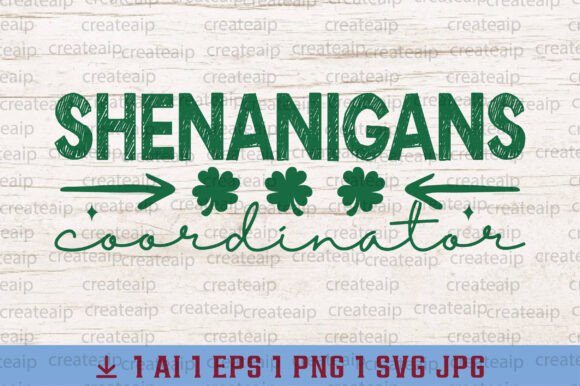
When I opened St Patrick’s Day Shenanigans Coordinator for the first time, I didn’t see just another holiday graphic—I saw a mood. It’s got that confident, slightly cheeky energy you’d want on a custom embroidered tote bag handed out at a local pub crawl kickoff or stitched onto a cozy sweatshirt for a St. Paddy’s Day farmers’ market booth. The layout feels balanced but not stiff: clean lines, intentional negative space, and a visual rhythm that suggests movement—not chaos. As a machine embroidery design, it leans into its roots as a Graphics asset, meaning it’s built for clarity over complexity. That’s good news if you’re stitching on cotton tees or canvas totes—but it also means every curve, letterform, and clover shape needs to hold up under thread.
Where It Shines: Real Projects, Real Customers
I tested St Patrick’s Day Shenanigans Coordinator across three real-world uses: a medium-weight organic cotton tote, a unisex fleece sweatshirt, and a 100% cotton tea towel. On the tote? Crisp, legible, and instantly recognizable—even from six feet away. The lettering stayed bold without oversaturating the fabric, and the clover motif read clearly in satin stitch without bleeding. On the sweatshirt, I used a medium-weight cutaway stabilizer and adjusted tension slightly—still clean, still cohesive. And on the tea towel? It held up beautifully as a holiday embroidery accent near the hem, adding personality without overwhelming the utility of the piece.
This isn’t a design that tries to be everything. It’s best as a custom apparel centerpiece—think chest logos on crewnecks, back-of-cap placements (with careful hoop sizing), or front-and-center on baby onesies for boutique nursery decor. It also translates well into an embroidered patch, especially when backed with heat-seal adhesive for craft fair vendors or Etsy sellers bundling handmade product kits. As a digital embroidery file, its strength lies in consistency: whether you’re prepping mockups for client approval or building listings for your small shop product line, it delivers predictable results.
Where to Pause—and Plan Ahead
Don’t rush this one onto stretchy knits or ultra-thin fabrics without testing. The design’s charm lives in its confident outlines and moderate detail level—so on jersey or lightweight rayon blends, you’ll need extra stabilization and possibly reduced stitch density to avoid puckering. Curved surfaces like baseball caps demand attention too: check how the top arc of text flows over the crown before committing to a full run. And while the clover elements are friendly in scale, the smallest interior details—like the tiny stem curls—can blur on dense fill areas unless your machine handles fine satin stitch reliably.
Dark fabric? Yes—but only with high-contrast thread colors. I ran a quick black-and-white printable mockup first, and confirmed that white or kelly green thread pops cleanly against navy or charcoal. Also worth noting: this isn’t an applique design. There’s no raw-edge fabric layering here—it’s all stitch-driven, so your finished product relies entirely on clean execution and thoughtful thread selection.
What It Adds to Your Handmade Product—and Your Brand
St Patrick’s Day Shenanigans Coordinator does more than decorate—it signals intention. When customers see it on a personalized gift or small shop product, they register playfulness *and* polish. That balance builds trust: it says “I made this with care,” not “I slapped on a holiday clipart.” For Etsy sellers and craft business owners, that perception lifts perceived value. I’ve seen similar designs increase add-on sales—like pairing it with matching embroidered kitchen towels or baby bibs—because the visual language is strong enough to unify a collection.
It also holds up in commercial embroidery settings. Because it avoids micro-details and excessive underlay, it stitches efficiently across multiple machines and fabric types—ideal for small batch orders or holiday pop-up inventory. Just remember: as a T-Shirt Designs category asset, its natural home is apparel-first, but don’t overlook its potential in printable mockups, digital product previews, or even as a base layer for layered embroidery projects (e.g., adding subtle gold metallic thread accents).
Your Practical Checklist Before Stitching
- Test first—run it on scrap fabric matching your final project’s weight and texture.
- Confirm hoop size—check the design’s outer dimensions against your machine’s max hoop capacity.
- Review stitch density—especially in clover centers and letter thickets; adjust if needed for delicate fabrics.
- Check thread color contrast on both light and dark backgrounds using simple grayscale mockups.
- Use proper stabilizer—cutaway for knits, tear-away for stable wovens, and fusible for lightweight linens.
- Inspect small details under magnification—look for stray running stitches or overly tight satin columns.
- Verify licensing—since this is marketed as a Hi-quality unique Design is-store, confirm whether resale of finished items or redistribution of the digital embroidery file is permitted before listing on Etsy or wholesale channels.
Final Thought: A Reliable Spark, Not a Shortcut
St Patrick’s Day Shenanigans Coordinator won’t replace your creative judgment—but it will support it. It’s the kind of design that makes sense in a holiday collection, scales well across product types, and holds up under real-world wear and washing. For embroidery designers, crafters, and small shop owners who value clarity, consistency, and quiet confidence in their design assets, it’s a practical addition—not just seasonal filler. Use it where joy meets craftsmanship, and let the shenanigans begin with intention.