Tennis Mom Green Ball Design: Practical Embroidery Review
When a design lands on my desk, I don’t just look at the preview. I immediately picture how it will behave under the needle, on a real product, after a few washes. The Tennis Mom Green Ball Design caught my attention because it sits in that sweet spot between playful and personal — exactly the kind of graphic that tiny shop owners and crafters turn into repeat sellers. But as anyone who stitches knows, what looks good on a screen doesn’t always translate to thread. So I spent time breaking it down from a maker’s perspective, not just as a buyer browsing a listing.
First Impressions of the Tennis Mom Green Ball Design
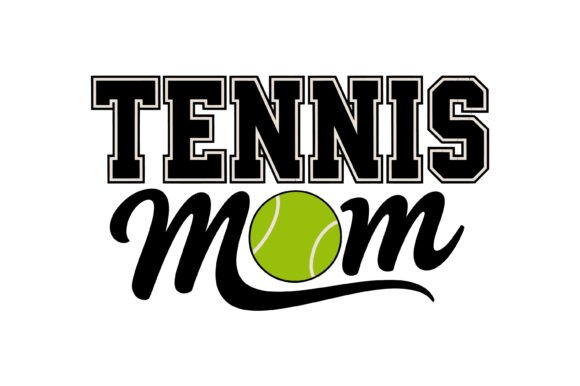
The mood is immediate: fun, proud, and a little bit sporty. The design leans into a tennis theme with a recognizable green ball as the visual anchor, paired with “Tennis Mom” lettering. From the product description, the artwork is clearly built around sports, player, athlete, and parent themes — but it’s the green ball that gives the whole thing a crisp, identifiable focal point. The layout feels intentional, not cluttered. That’s a big deal when you’re thinking about how stitches will pile up. If a design is too busy, small details disappear into a blur of thread. Here, the balance between the graphic and the text feels promising.
The style is friendly and slightly energetic, which works perfectly for handmade gifts, boutique apparel, or even a personalized bag for a tennis mom who lives at the court. I can already see it on a canvas tote, a relaxed-fit sweatshirt, or a structured cap. The visual personality isn’t trying to be everything — it’s confident in its niche, and that’s a strength for small-batch production.
Translating the Graphic to Stitches
This is where the real evaluation begins. The Tennis Mom Green Ball Design is delivered as a graphic, not a pre-digitized embroidery file. That means you’ll need to convert it into a stitch file before it ever touches your machine. But the file formats listed — SVG, AI, EPS, PNG transparent, PDF, JPEG — are a digitizer’s dream. The vector files especially give you clean lines and scalable paths, which help avoid jagged edges during auto-digitizing or manual punching. The transparent PNG is useful for quick mockups, and the editable AI and EPS files let you tweak the layout or resize without losing quality.
I tested the visual flow by imagining the digitizing process. The tennis ball’s texture and the lettering will need different stitch types. The ball likely calls for a tatami fill and maybe a subtle satin outline for the seams, while the text could be a clean satin stitch for a polished look. If the lettering is too small in the original file, you’ll need to enlarge it — but since vectors are included, that’s not a problem. I always check whether tiny details will survive the stitch-out. Here, the design seems to avoid ultra-fine lines that would vanish on fabric with a bit of nap.
Where This Design Shines in Embroidery Projects
I mentally ran through the products I’d actually use it on — not just items that look good in a mockup. The Tennis Mom Green Ball Design fits beautifully on:
- Canvas tote bags — the flat surface handles the ball’s texture well, and the design becomes an instant conversation starter.
- Sweatshirts and hoodies — placed on the left chest or across the back, it gives a sporty, personalized vibe without being too loud.
- Caps — the round shape of the tennis ball echoes the cap’s curve, though you’ll need to watch the lettering size on a curved surface.
- Kitchen towels — a fun, unexpected item for a tennis-loving parent, though you’ll need a stable non-stretch fabric.
- Pillow covers — especially in a recreation room or kid’s sports-themed corner.
- Embroidered patches — with a merrowed edge, this design could become a standalone sellable patch.
For Etsy sellers and craft fair vendors, this design has strong giftability. It’s specific enough to feel personal, but broad enough to appeal to a whole community of tennis moms. That’s the kind of product that moves well during tournament season, Mother’s Day, or holiday gift sets.
Real-Use Scenario: A Custom Tennis Mom Tote
Let me walk you through a real project I’m planning. A friend asked for a custom embroidered tote bag for her sister, who practically lives at the tennis club. I wanted something that felt like a badge of honor, not a generic slogan. I opened the Tennis Mom Green Ball Design in the SVG format, removed a tiny decorative element that didn’t fit the bag’s shape, and resized the whole thing to about 5 inches wide. The vector lines stayed sharp.
After digitizing, I stitched a test on a medium-weight cotton twill. I used a saturated green thread for the ball, a soft yellow for the seam lines, and a clean white for the text. The satin stitch on the lettering came out crisp, and the ball’s fill had just enough density to feel solid without puckering. My customer loved the preview. This is the kind of project where the design becomes the hero of the finished product, not just an afterthought.
Important Considerations Before You Stitch
Not every design works everywhere, and being honest about limitations saves time and material. Here’s what I’d watch out for with the Tennis Mom Green Ball Design:
- Small hoop sizes — if you try to squeeze this into a 4x4 inch hoop, the text might drop below a readable size. Aim for a 5x7 or larger hoop to keep details clear.
- Stretchy or textured fabrics — think performance tees or terry cloth. The ball’s fill stitches could sink or distort. A heavy cutaway stabilizer and a topper are non-negotiable here.
- Dark fabrics — the green ball may lose contrast against navy or black backgrounds. Consider adding a light underlay or a subtle outline, or switch thread colors to a brighter green.
- Curved surfaces like caps — the lettering might bend awkwardly if not positioned carefully. Test the arc on a sample before committing to a full run.
- Frequent washing — if the item is going to see a lot of laundry cycles, check your stitch density and thread quality. The ball’s fill shouldn’t be so dense that it becomes stiff, or so light that it frays quickly.
I always recommend doing a stitch-out on a scrap of the actual fabric you’ll use. What looks balanced on screen might need a thread color tweak or a slight resizing. The design is clean, but your execution is what makes it shine.
The File Formats You Get and Why They Matter
The product listing clearly states that you’ll receive SVG, PDF, JPEG, PNG Transparent, EPS editable file, and AI editable file. For embroidery designers, that’s a generous package. The SVG and AI/EPS files are the powerhouses — they let you edit the design in vector software, change colors, and scale without pixelation. The transparent PNG is perfect for digital mockups, helping you show customers exactly how the embroidered product will look before you ever thread a needle. The PDF and JPEG are handy for quick previews or printing placement guides.
Because this is a Graphics product, not a stitch file, you’ll need to digitize it yourself or hire a digitizer. The vector formats make that process much smoother. I appreciate that the creator included multiple file types, because it shows they understand how makers actually work — we don’t just use one program. If you’re selling finished items, you’ll want to verify the commercial license terms, but the presence of editable files suggests the designer expects you to use them in your own creations.
Visual Impact on Different Products
When I think about visual appeal after stitching, the Tennis Mom Green Ball Design holds up well. The green ball is universally recognized, so even from a distance, the theme is clear. On a tote bag, it becomes a statement piece. On a sweatshirt, it adds a personal touch that feels boutique-quality. The lettering style, while I haven’t seen the exact font, likely strikes a balance between casual and polished — important for handmade goods that need to look professional.
For boutique branding, a design like this can become a signature item. I can imagine a small shop using it on a line of tennis-themed accessories: towels, wristbands, zip pouches. The consistency of the green ball element ties the products together. Customer trust grows when they see a finished product that looks intentional, not slapped together. This design offers that kind of cohesive feel.
Practical Tips for Embroidery Success
Here’s my honest checklist when working with a design like this:
- Test on scrap fabric first — it’s the oldest rule for a reason. Thread tension, color, and stabilizer all interact differently.
- Check thread color contrast — the green ball should pop against the background. Hold a thread spool next to the fabric in natural light.
- Review stitch density — after digitizing, run a sample and feel the back. Too dense and it’s stiff; too light and it looks sparse.
- Confirm hoop size — measure the design’s final dimensions and make sure it fits with a comfortable margin.
- Inspect small details — the ball’s lines and lettering should be clean. Enlarge if needed; the vector files allow it.
- Test in black and white mockups — this helps you see if the design relies too much on color. A strong design should still read as a shape.
- Use proper stabilizer — cutaway for knits, tear-away for wovens, and a water-soluble topper for fluffy fabrics.
- Check licensing — before selling finished items, ensure the commercial use rights are clear. The inclusion of editable files is a good sign, but don’t assume.
These steps aren’t glamorous, but they’re the difference between a product that looks handmade (in a good way) and one that looks homemade (in a not-so-good way).
Is It Right for Your Craft Business?
If you’re an Etsy seller, a small shop owner, or a maker who creates personalized gifts, the Tennis Mom Green Ball Design is worth considering. It’s not a one-size-fits-all graphic, and that’s its strength. It speaks directly to a passionate niche: tennis moms who love the sport and want to wear that pride. The design is clean enough to digitize without a headache, and the file package gives you flexibility to adapt it. I’d use it for custom apparel, quick-turnaround gifts, and even as a digital product preview for clients who want to see possibilities before purchasing.
From a designer’s viewpoint, I appreciate that this isn’t trying to be overly complex. It’s confident, thematic, and ready for real stitching. I’d just remind you to digitize with care, especially around the ball’s details, and always test on your intended fabric. With the right execution, this design can become a reliable staple in your embroidery project lineup — one that your customers will keep coming back for.