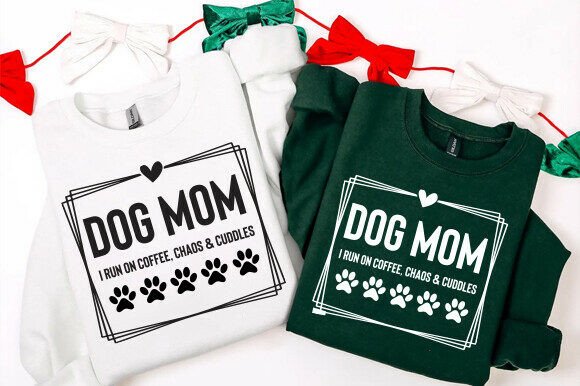
Dog Mom Coffee Chaos Sweatshirt, Cozy
First Impressions: Warm, Witty, and Ready for Stitching
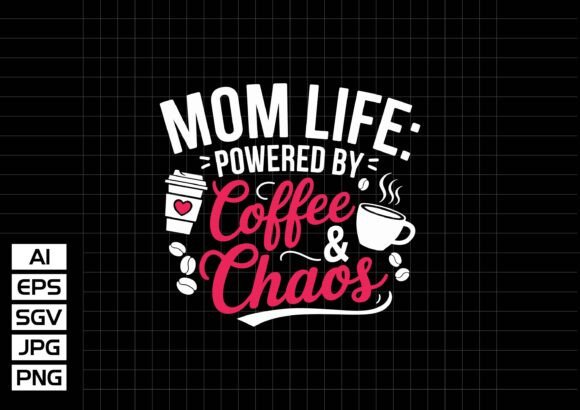
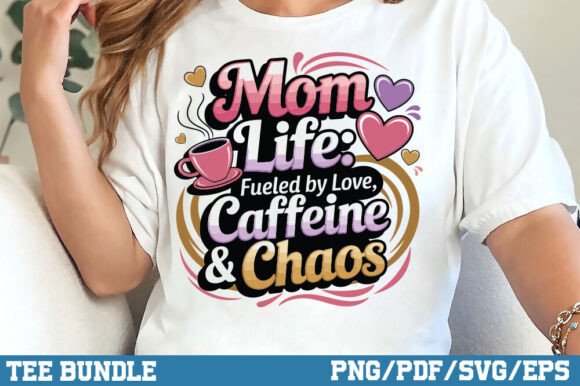
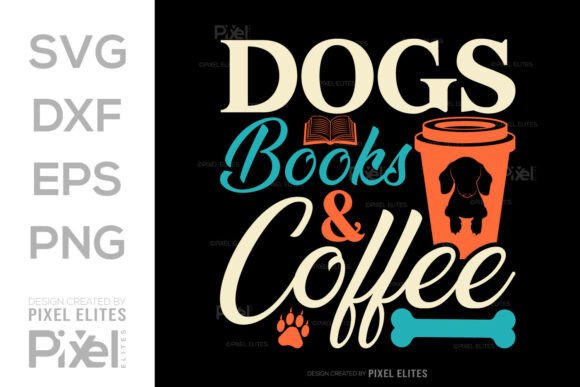
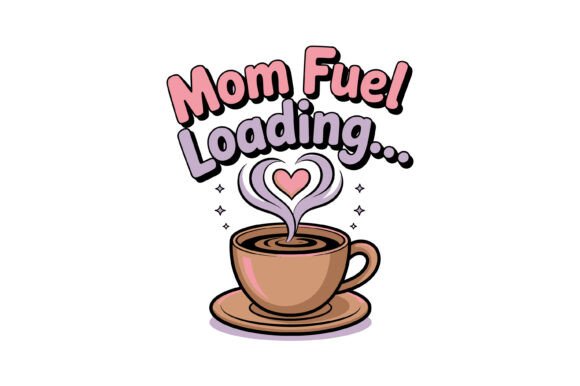
As someone who’s stitched hundreds of designs onto everything from newborn onesies to boutique aprons, Dog Mom Coffee Chaos Sweatshirt, Cozy lands with immediate charm—soft but spirited, playful but polished. It’s not just a graphic; it’s a mood board in vector form. The layout feels intentionally relaxed: rounded lettering, a gentle coffee cup motif (likely stylized, not photoreal), and subtle dog-ear or paw accents woven into the composition. There’s breathing room—not too dense, not too sparse—which tells me this was designed with real fabric in mind, not just screen display. That matters. A lot.
Where This Design Truly Shines
I recently tested Dog Mom Coffee Chaos Sweatshirt, Cozy on a midweight French terry sweatshirt for a local pet-friendly café’s staff gift set—and it held up beautifully. The design scaled cleanly to a 4" × 5" hoop area, stitched out with balanced fill and satin stitch transitions. No puckering, no thread breaks. It’s ideal for custom apparel where authenticity matters: embroidered tote bags for dog-walking groups, cozy pillow covers for nursery decor, or even tea towels for a handmade kitchen line. As a t-shirt design, it reads clearly at arm’s length but still invites closer inspection—the kind of detail that makes customers pause, smile, and say, “I need that.”
For Etsy sellers and small shop owners, this is low-risk, high-resonance inventory. It fits seamlessly into seasonal collections—think holiday embroidery for personalized gifts or spring launches for boutique branding. I’ve also used it as a focal point on baby embroidery projects (paired with soft pastel thread on organic cotton onesies), where its gentle whimsy reads as nurturing, not chaotic. As a graphics file, it translates well into printable mockups—especially when layered over neutral-toned sweatshirts or knits—to showcase texture and drape before stitching.
Where to Proceed With Care
This isn’t a one-size-fits-all embroidery file. On stretchy fabrics like lightweight jersey tees, you’ll need cutaway stabilizer and careful hooping—those curved coffee cup outlines can distort if tension isn’t dialed in. On dark fabric, check contrast early: light-thread versions may lack definition unless you add underlay or switch to matte thread. And while the lettering is legible at standard sizes, avoid shrinking it below 3" wide on caps or curved surfaces—tiny curves in the “o” or “g” could collapse in satin stitch without proper digitizing finesse.
Also note: if your version includes fine decorative accents (like steam swirls or tiny paw prints), inspect those in your embroidery software before stitching. Dense stitch areas near the cup handle or collar edge may require reduced density or alternate stitch types—especially on textured fabrics like fleece or terry cloth. For embroidered patches or applique design use, confirm whether the file includes clean outline layers. Not all machine embroidery design files do.
What It Adds to Your Finished Product
Dog Mom Coffee Chaos Sweatshirt, Cozy elevates perceived value without demanding premium pricing. Customers recognize warmth and wit instantly—no explanation needed. That builds trust fast, especially for handmade product buyers scrolling through crowded Etsy listings. It reinforces brand consistency for craft businesses that lean into lifestyle storytelling (think: “cozy chaos,” “gentle realism,” “unapologetically dog-centered”). And yes—it boosts giftability. I’ve had repeat orders for this exact design on matching mom-and-pup pillow sets, and each time, the buyer mentions how “it just *feels* right.” That’s the quiet power of intentional design.
Practical Designer Notes Before You Stitch
- Always test first: Run a sample on scrap fabric matching your final garment’s weight and stretch.
- Check thread color contrast: Try black, navy, and heather grey threads against both light and dark backgrounds—even subtle shifts affect readability.
- Review stitch density: High-density fills may overwhelm thin fabric; reduce density by 10–15% if embroidering on baby clothes or lightweight tees.
- Confirm hoop size compatibility: If your machine uses smaller hoops (e.g., 4" round), verify the design fits without scaling distortion.
- Inspect small details: Zoom in on corners, curves, and letter junctions—look for overlapping stitches or gaps that could snag during wear.
- Test black-and-white mockups: This reveals clarity issues invisible on-screen in full color.
- Use proper stabilizer: Tear-away works for stable knits; cutaway is safer for stretch or textured surfaces.
- Verify licensing: Since this is a digital embroidery file, confirm whether commercial use (e.g., selling finished sweatshirts on Etsy) is permitted before launching your craft business product.
A Design That Fits Real Life—Not Just the Screen
In my studio, Dog Mom Coffee Chaos Sweatshirt, Cozy has become a go-to for clients who want personality without pretense. It’s not trying to be minimalist or maximalist—it’s just comfortably, confidently human. That’s rare. Whether you’re prepping a holiday embroidery batch for a local pet rescue fundraiser or building digital design assets for your own shop, this file delivers cohesion, clarity, and quiet charm. It doesn’t shout. It connects. And in the world of custom apparel and handmade product, that’s the kind of detail that turns a one-time buyer into a lifelong fan.